Docker for Backend Systems: Images, Layers, Networking, and Production Hardening
Docker for Backend Systems covers images, layers, networks, and hardening. Learn what fails in production, how to cut image size, and how to run safely.

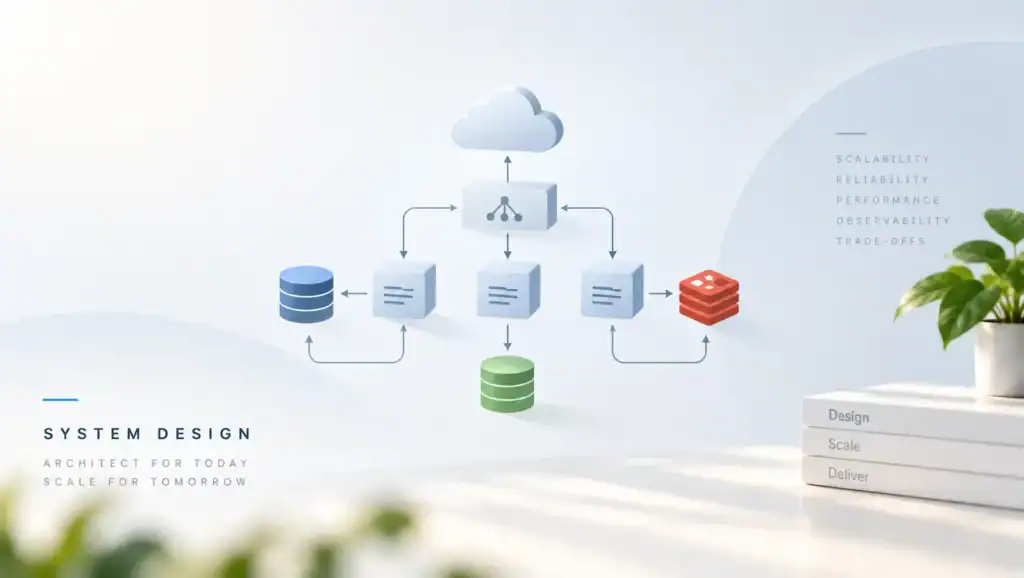
Docker for Backend Systems is how you pack an app into one image that runs the same on every host. When the image is fat, mutable, or built a different way in prod, you debug ghosts. Therefore you should treat the image as a release artifact, not as a convenient dev shell.
What Docker Is and Why It Fails in Production
A container is a process with a private view of the file system, the network, and the process table. The image is the file system snapshot plus the start config. If you change the host, the process should still start the same way.
In my experience, Docker fails in production for a few plain reasons. First, the image that passed tests is not the image that runs live, because someone rebuilt it. Then, the container runs as root, so a bug becomes a host bug. Also, the health check says the process is up while the app is not ready for traffic.
A common mistake I have seen is a floating tag. Staging pulls latest and looks fine. Prod pulls latest an hour later and gets a new base layer.
Because the tag moved, you cannot name the bits that failed. After the incident, you also cannot roll back to a tag that still means the old bits.
Another failure is hidden state. The container writes logs and uploads into its own writable layer. When the host restarts, that data is gone, or it fills the disk and the node dies.
Still, the app looked healthy until the disk alert fired. So put state in a volume or in a remote store, and keep the writable layer small.
You also fail when the build needs the public network and a secret at the same time. A token leaks into a layer. The registry keeps that layer forever.
If you only delete the tag, the blob can still be pulled by digest. Treat leaked layers as a rotation event, not as a tidy git revert.
Architecture and Implementation
Think in three parts. First, the Dockerfile defines layers. Next, the registry stores the image by digest.
Then, the runtime starts a container from that digest with limits, a user, and a network. Finally, your deploy tool should pin the digest, not a moving tag.
Layers and build order
Each instruction adds a layer. Docker reuses a layer when the instruction and the inputs match. If you copy the whole repo before you install deps, every code change busts the dep layer. That makes builds slow and it wastes registry space.
Put files that change rarely first. Copy the lockfile, install deps, then copy the source. When the source changes, the dep layer stays.
The Dockerfile reference lists the instructions. Read it before you invent a clever one line build.
Multi stage builds keep tools out of the final image. You compile in a fat stage, then copy the binary into a slim stage. If you leave the compiler in the runtime image, you ship extra risk and extra bytes. Also pin the base image by digest in the final stage when you need a hard freeze.
Identity, tags, and promotion
Tag the image with the git commit for humans. Deploy by digest so the bytes cannot change under you. When a tag is moved, the digest still names the old build. Your CI/CD pipelines should build once and promote that digest.
Do not use latest in prod. It is a race. Two nodes can pull two different images during one rollout. Then you have a split brain that no health check on a single pod will explain.
Networking that matches the service
Bridge networks are fine on one host. They are a poor fit for multi host service discovery. In a cluster, let the platform give each pod an address.
The Docker networking docs show the local modes. Use them for dev and for single host tools.
Publish only the ports you mean to serve. A debug port left open on the host is a gift to anyone on the network. If the app only needs to call out, do not publish inbound ports at all. When you run on Kubernetes scheduling, the Service object is the front door, not a random host port.
Hardening the runtime
Run as a user that is not root. Drop extra caps. Make the root file system read only when the app can live with that. If the app must write, give it one empty dir, not the whole file system.
Set memory and CPU limits. A container with no limit can take the host down with the rest of the neighbors. Also set a restart policy that does not hide a crash loop. If the process exits at once, you want a loud failure, not a quiet restart storm.
How to Build a Safe Image
Keep the Dockerfile in the service repo so review sees it with the code. Pin base images. Do not run apt upgrade with no pin and then call the build reproducible. If you need a patch, bump the pin on purpose.
Secrets belong in the runtime, not in the image. Pass them from a store when the process starts. Then you can rotate them without a rebuild. If a build needs a token to fetch private deps, use a secret mount that does not land in a layer.
- Pin the base image and the lockfile.
- Install deps before you copy source that changes daily.
- Copy only the binary or the app files into the final stage.
- Run as a non root user with a read only root when you can.
- Push by digest and deploy that digest.
Trade-offs and Comparison
There is no single best image shape. You trade size, debug ease, and patch speed. A tiny image is safer and faster to pull.
A fatter image is easier to debug at 2 a.m. when you need a shell.
Distroless or a scratch image has no package manager and often no shell. That blocks a class of attacks. It also blocks the habit of kubectl exec and then installing curl. Keep a debug image on the side for incidents, and do not use it as the prod default.
| Base. | When to use it. | What you give up. |
|---|---|---|
| Full distro. | You need many OS tools at run time. | Large pulls and a wide attack surface. |
| Slim distro. | You want a shell but less bulk. | Some tools are still missing. |
| Distroless. | The app is a single static or near static binary. | Harder live debug on the node. |
| Scratch. | The binary has no libc needs. | No certs or zone data unless you add them. |
Choose slim for most services if your team still debugs with a shell. If you have good traces and a debug sidecar, move to a smaller base. More size does not buy safety. It buys time during a bad night, and you can buy that time in other ways.
Pitfalls and Failure Modes
Layer cache bugs ship old code. The instruction text did not change, but a file that the cache key ignored did change. Then prod runs last week’s binary under today’s tag. Use build caching with keys that include the lockfile and the base digest.
Init order is another trap. The app starts before DNS or the database is ready, crashes, and the restart loop looks like a code bug. Probe readiness, not only liveness. If you use the same probe for both, a slow dependency will get the process killed while it is still correct.
Host time and host DNS leak into the container. A node with a bad resolver makes one replica fail while others work. After you chase the app for an hour, the node was the fault. Pin DNS policy where the platform allows it, and alert on error rates per node.
Writable layers fill disks. A chatty debug log inside the container can take a node out. When the disk is full, pulls fail and the node goes NotReady.
Send logs to stdout and let the platform ship them. Do not write a growing file in the container root.
Image pull secrets expire. The deploy looks like a crash because the kubelet cannot pull. The pod event tells you, but only if someone reads events.
Check pull errors before you roll back the app. A rollback will fail the same way if the secret is the real fault.
Base image CVEs pile up when nobody owns the bump. A monthly rebuild from a pinned family is enough for most teams. If you never rebuild, you run last year’s openssl. Track the base as a dependency, the same way you track a library.
A Practical Dockerfile
The sketch below builds a small runtime image. It does not leave the compiler in the final stage. It does not run as root.
When you change only the app source, the dep layer can still cache. Map the cache rules to the Docker build cache docs before you tune them.
FROM golang:1.22 AS build
WORKDIR /src
COPY go.mod go.sum ./
RUN go mod download
COPY . .
RUN CGO_ENABLED=0 go build -o /out/api ./cmd/api

FROM debian:bookworm-slim
RUN useradd --uid 65532 appuser
WORKDIR /app
COPY --from=build /out/api /app/api
USER 65532
EXPOSE 8080
ENTRYPOINT ["/app/api"]
Note what this sketch does not do. It does not copy a secret file into a layer. It does not use a floating latest tag in the final FROM.
If you add certs or a zone file, copy them on purpose. Also scan the final image in CI, and fail the build on a critical issue you have agreed to block.
Performance, Scale, and Cost
Pull time is part of deploy time. A 1 GB image on a cold node can add minutes, an illustrative production range, before the process even starts. Smaller images make rollouts and scale out faster. They also cost less to store and to move across regions.
Registry cost grows with unique layers, not with tags. If every build invalidates the big layers, you pay for the same deps again and again. Order the Dockerfile so deps stay stable. Then garbage collect untagged blobs on a schedule so old leaks do not live forever.
At scale, the node disk is the limit. Image layers are shared on a node, which helps when many pods use the same base. If every service uses a different base, the node fills up.
Standardize on one or two bases per language. Your infrastructure as code can pin those bases in one module so teams do not drift.
We once hit a bottleneck when a rollout pulled a new 800 MB image onto every node at once. The registry and the network both stalled, and the deploy timed out half way. The fix was a smaller image and a slower surge. After that, pulls finished before the health gate gave up.
CPU limits that are too low make the runtime look slow when the real issue is throttle. Watch throttle time next to latency. If you set a limit far above the request, a noisy neighbor can still squeeze you, but you at least keep a floor. Start from real usage, then leave headroom for a traffic spike.
Key Takeaways
- Build once, tag for humans, and deploy by digest.
- Order layers so deps cache and source changes stay small.
- Keep compilers, secrets, and shells out of the prod image.
- Run as non root, with limits, and with a small writable layer.
- Probe readiness so a slow dependency does not kill a good process.
- Standardize base images so nodes share layers and patches.
- Treat a leaked layer as a secret rotation, not as a tag delete.
FAQ
Should prod containers include a shell?
Prefer no shell in the default prod image. You can keep a matching debug image for a bad day. If your on call path still needs a shell, use a slim base and plan a move later. When traces are good, the shell stops being the tool you reach for first.
Is a multi stage build always worth it?
Yes when the build tools are large or risky. The final stage should hold the app and little else. If the build is already a single static binary, a second stage still helps you drop the toolchain. Skip extra stages that only rename files and add confusion.
How should health checks work?
Liveness should mean the process is wedged and must restart. Readiness should mean the process can take traffic. If you mix them, a brief dependency blip will restart every replica. Keep the ready check cheap so it does not become the load.
What image size is small enough?
For a typical API, aim for tens of megabytes to a few hundred, an illustrative production range, not multiple gigabytes. The right size is the one that pulls fast on a cold node. If rollouts time out on pull, the image is too big for your network, whatever the number is.
Docker for Backend Systems stays boring when the image is small, pinned, and hard to abuse. Pick one service. Next, pin the base, drop root, and deploy the digest from CI. Then time a cold pull so you know the cost before the next surge.
Related: Hugo Site with Updated Hugo Docker Image
Share this:

Related articles
HTTP/2 vs HTTP/3: Multiplexing, QUIC, and Real-World Performance
HTTP/2 vs HTTP/3 compares streams, head-of-line blocking, and QUIC so you can pick a protocol that stays fast…
Microservice System Design
Executive Summary: Splitting a monolith into services without design discipline trades one problem for distributed complexity. I cover…
Semantic Versioning in Practice: Breaking Changes, Deprecation, and Trust
Semantic Versioning in Practice shows how you mark breaking changes, deprecate old APIs, and keep the trust of…
[…] order in Docker images is a cache bug factory. COPY of the whole repo before a dep install busts the useful layer, or a […]