The Future of Sales: How AI in CRM is Redefining the Pipeline
Archived overview of AI features showing up in CRM sales pipelines. Kept for reference; not a current focus of this site.

Archive note: Kept for history and noindexed. Prefer the active AI engineering guides on this site.
Note: This post is archived and noindexed. Sales-CRM AI is outside the site’s core engineering focus; kept for historical reference.
The major change: From Static Records to Intelligent Engines
The integration of AI in Customer Relationship Management has transformed the traditional sales funnel from a reactive record-keeping system into a proactive growth engine. For decades, CRMs served as digital filing cabinets, requiring manual updates and constant human oversight to remain useful.
Today, the landscape is shifting toward autonomous systems that do not only store data. These platforms now analyze interactions, predict outcomes, and provide actionable recommendations to sales teams in real-time.
Recent industry data suggests that organizations leveraging AI-driven CRM tools see an average 41% increase in lead conversion rates. This efficiency stems from the software’s ability to identify patterns that the human eye might overlook during a standard sales cycle.
Strategic Benefits of AI in Customer Relationship Management
The primary advantage of infusing artificial intelligence into your CRM is the elimination of administrative friction. Sales professionals often spend over 60% of their time on non-selling activities, such as manual data entry and scheduling.
By automating these repetitive tasks, AI allows account executives to focus on high-value relationship building. Beyond mere automation, these systems provide deep behavioral insights that help refine marketing and sales strategies.
According to a 2023 study by a leading tech consultancy, companies utilizing AI for customer insights reported a 15% increase in annual recurring revenue compared to their peers. This is largely due to the predictive nature of the technology.
1. Predictive Lead Scoring
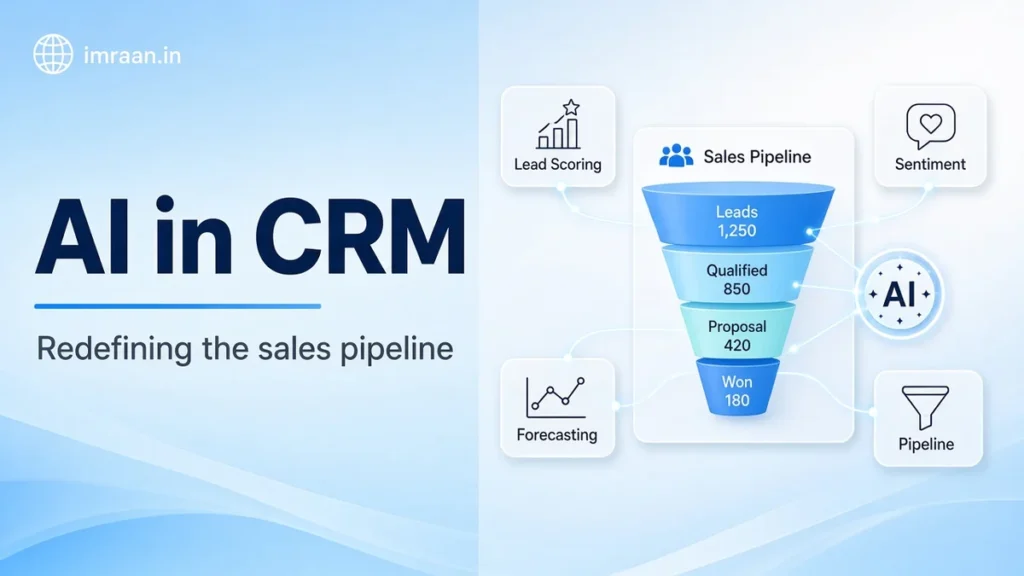
Traditional lead scoring relies on arbitrary points assigned to basic demographics. AI-driven lead scoring, however, analyzes historical conversion data and thousands of signals to rank prospects with high precision.
This ensures that sales teams prioritize accounts with the highest probability of closing, reducing time wasted on low-intent leads. The system continuously learns from every win and loss, refining its algorithm over time.
2. Sentiment Analysis and Interaction Tracking
AI can scan emails, call transcripts, and social media interactions to gauge customer sentiment. This technology detects subtle shifts in tone that might indicate a client is at risk of churning or is ready for an upsell.
Managers can use these insights to intervene early in the customer lifecycle, preserving revenue and improving long-term satisfaction metrics. It provides a level of emotional intelligence that was previously impossible to achieve at scale.
Overcoming the Implementation Gap
While the benefits are clear, successfully deploying AI in Customer Relationship Management requires a focus on data integrity. An AI model is only as effective as the data it consumes; poor data quality leads to inaccurate predictions.
Organizations must prioritize cleaning their legacy databases before full integration. Establishing strict data governance protocols ensures that the AI continues to deliver high-quality, actionable insights over the long term.
Furthermore, team adoption is critical. Sales reps must view AI as a co-pilot rather than a replacement, leveraging the tool to enhance their innate negotiation and communication skills.
The Competitive Edge of Intelligent Sales
The adoption of AI is no longer a luxury for enterprise organizations; it is a prerequisite for staying competitive in a saturated market. Those who delay implementation risk falling behind faster, more agile competitors who utilize data as a strategic asset.
By shifting from a legacy mindset to an AI-first approach, businesses can unlock unprecedented levels of efficiency and customer loyalty. The future of the industry belongs to those who embrace the intelligence revolution.
Related articles
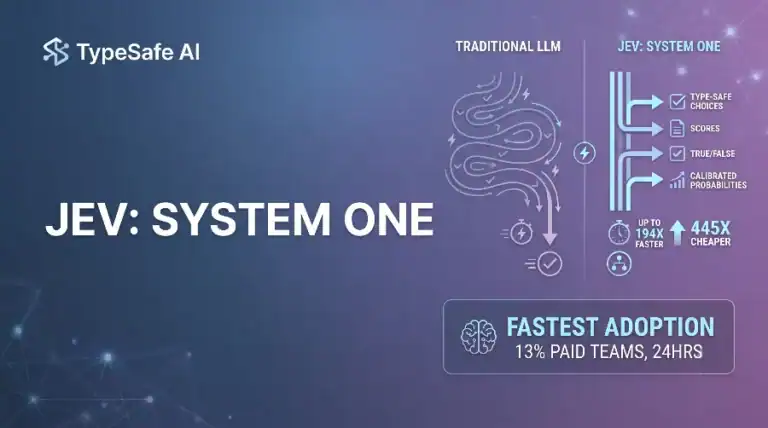
Jev AI Model: The Fastest Adopted Model in AI Gateway History
Jev reached nearly 13% of paid AI Gateway teams unusually fast. Here is what that adoption curve means…
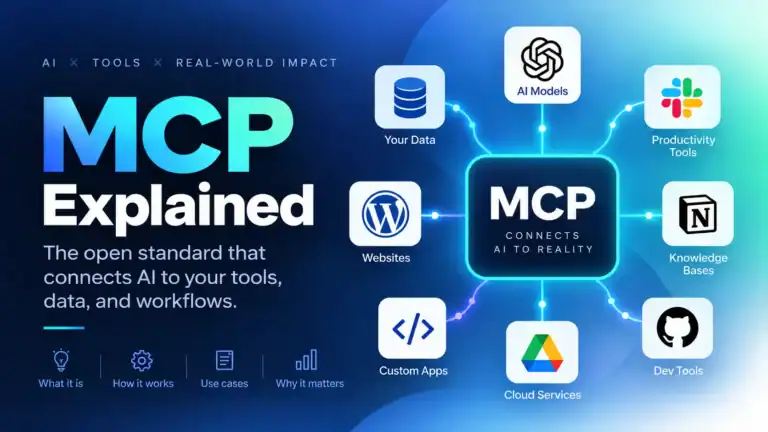
MCP Explained: Model Context Protocol Guide
MCP standardizes how apps expose tools, resources, and prompts to LLMs. I cover architecture, security, and working server…
AI Agent Harnesses, Explained
The model is the brain; the harness is the room it works in. A field guide to loops,…

New hire packet gets this on page two. Start with next best action, polish later.
Sharing lead scoring and next-best action bits with our RevOps channel. They wanted fewer buzzwords, more flow.
Radar item can finally move to done. Focus stays on crm ai scoring, not another research fog.
Needed this. Thanks for covering sales pipeline automation bits.
PR description borrowed one paragraph’s shape. Wording around crm ai scoring slipped into the runbook.